01 — The method

Specific. Evidence-based. Non-biased.

Every program is built around what the data says about you, not what is trending in the industry. Five pillars, consistently applied, adjusted by what is actually working.

NASM-CPT NASM-CES CrossFit L1 In practice since 2003
02 — The foundation

What is healthy for you may not be healthy for someone else.

Age, body type, lifestyle, daily movement, recovery capacity, stress load. These all change the right answer. The methodology starts with questions and assessments, not assumptions. A program handed out before a full assessment is a guess.

The anchor principle: train smarter, not harder. Harder without direction accumulates cortisol, stalls adaptation, and leads to injury. Smarter means knowing when to push, when to hold, and when to back off. Having the data is what makes that call possible.

Some methods used here are non-traditional, such as resistance band training. Others are tried and proven methods: kettlebell movements, compound lifts, standard weight progressions. The selection is driven by what the science and assessment data support for each client, not by what is fashionable.

03 — Five pillars
01

Resistance band training

Bands offer progressive resistance and a lower injury profile during eccentric loading. As muscle fiber shortens, resistance increases, matching the strength curve more closely than a fixed load. This makes them particularly effective for clients returning from injury, those with joint limitations, and advanced trainees adding variable resistance to compound movements. They are not a substitute for free weights; they are a tool that fills specific gaps.

02

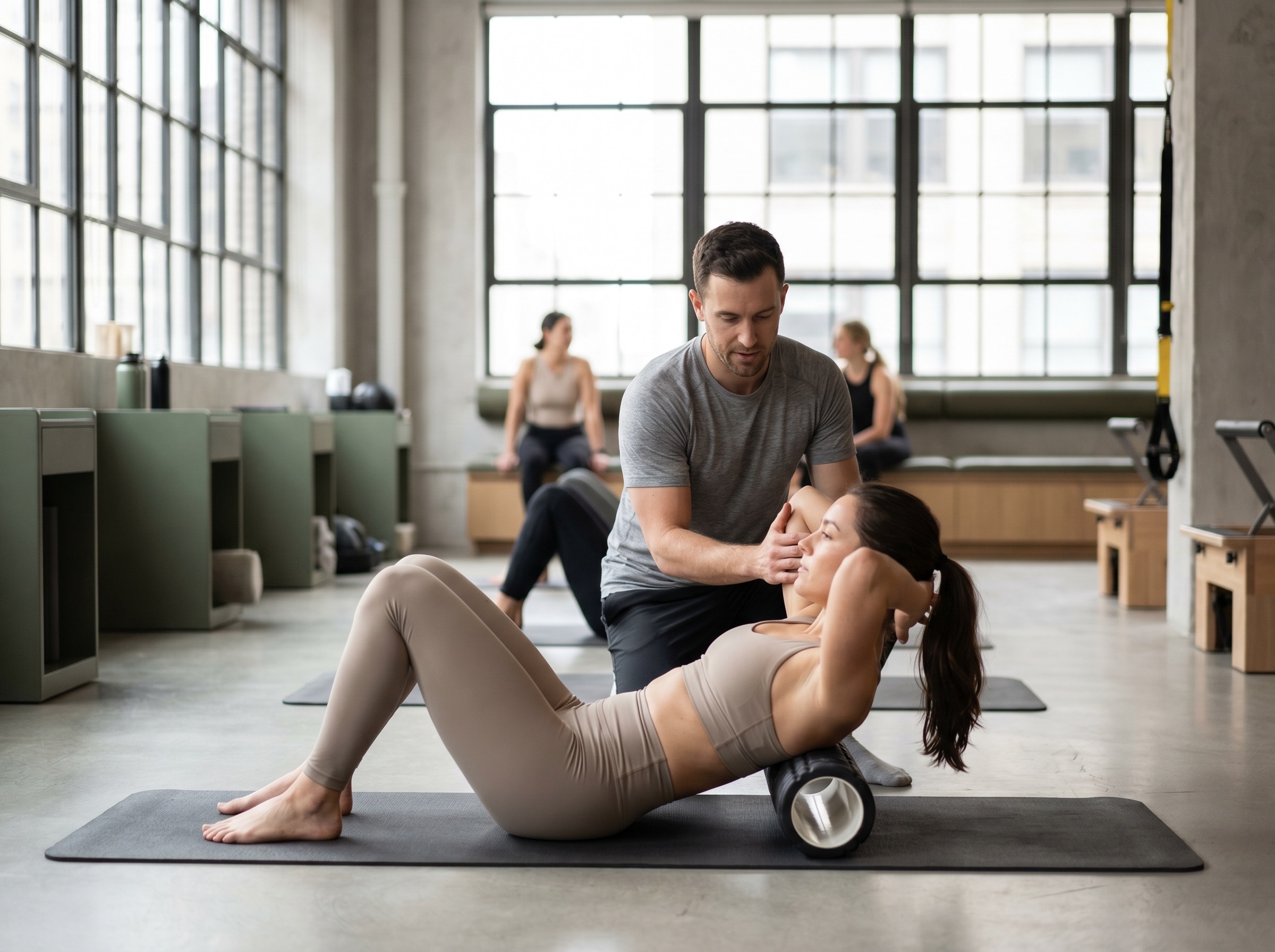
Mobility and self-myofascial release

As a NASM Corrective Exercise Specialist, Vinnie uses Overhead Squat Assessment and movement screens to identify and address muscle imbalances before they become injuries. Self-myofascial release, PNF stretching, and dynamic mobility work are integrated into every program. Range of motion is not a warm-up consideration. It is a training variable. If you cannot move through a full range, you cannot load a full range.
03

Recovery-focused programming

Training is a stress applied to the body. The adaptation happens in recovery, not during the session. Heart rate variability, resting heart rate, and sleep quality are tracked to ensure the training load matches the client's current recovery state. When those markers are suppressed, HRV down and RHR elevated, the session is adjusted or replaced with active recovery. Adding more stress to a suppressed system does not accelerate results; it stalls them.

04

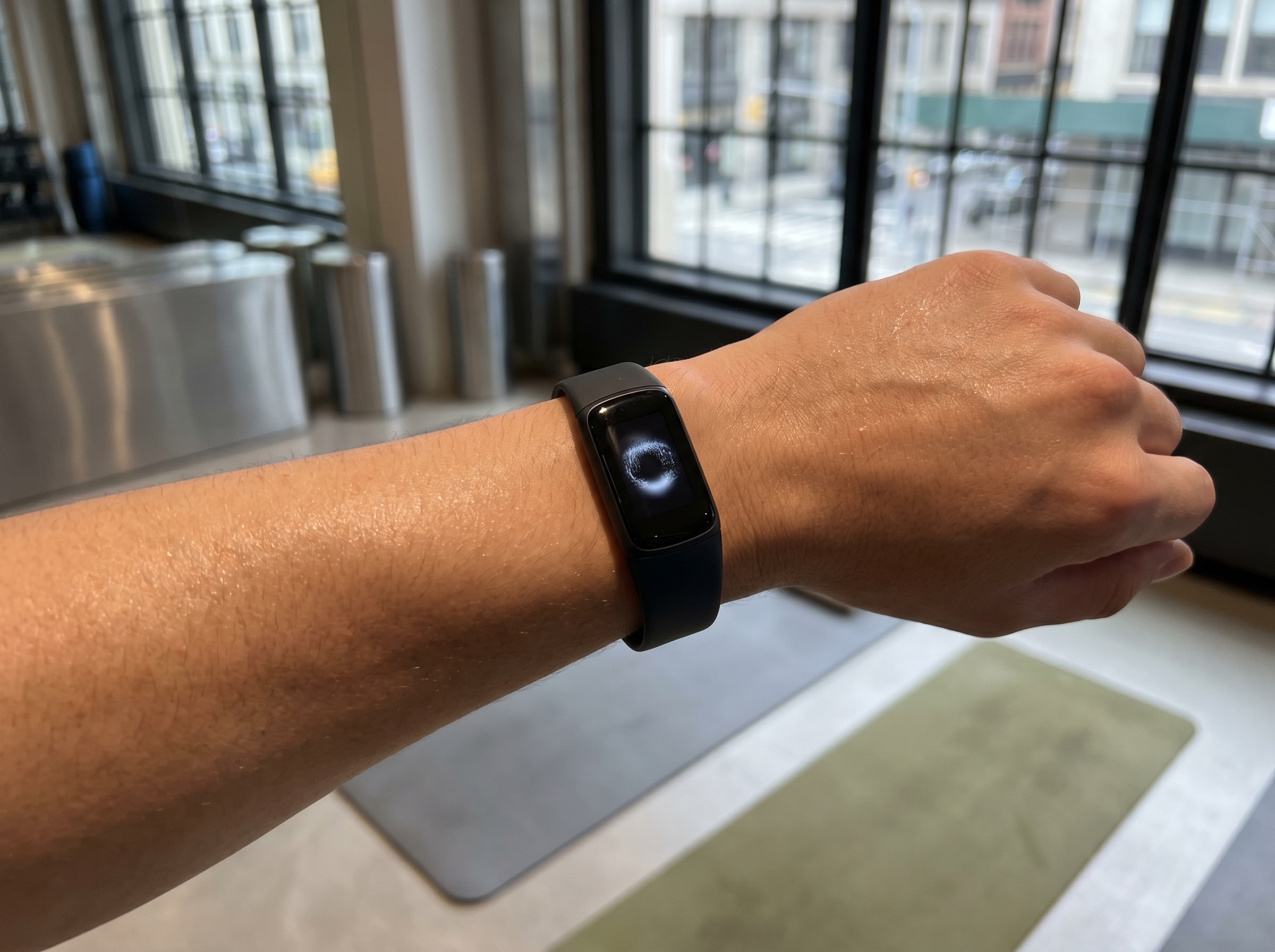
Training technology and real-time feedback

Wearables, heart rate monitors, body composition trackers, and EMS devices are used as measurement tools. Heart rate zones replace perceived exertion. Body composition data replaces scale weight. EMS such as PowerDot by Therabody accelerates recovery between sessions and can augment neuromuscular activation when applied correctly. Every number is logged so trends can be read over time and program decisions are based on evidence, not intuition.
05

Nutrition through science and specificity

Nutrition is the largest variable in body composition. A meal plan without the skills to execute it fails within weeks. Vinnie is also a trained chef, so clients learn to prepare the meals in their plan using techniques that make the food fast, practical, and sustainable. Protocols are individualized: ketogenic, intermittent fasting, and other evidence-supported approaches are applied where they fit the client's physiology and lifestyle. The question is always the same: what is your goal, what is your body type, and what does your day actually look like.

04 — What a session looks like

A session is not a random collection of exercises.

Every session follows a structured sequence: movement preparation, SMR and mobility activation, the main training block, and a recovery component. The ratio of each depends on the day's goal, whether that is strength, metabolic conditioning, active recovery, or skill development.

The first session with a new client is always a full assessment. Overhead squat analysis, mobility screening, fitness testing, and a detailed intake covering health history, goals, and lifestyle. That data seeds the program. Without it, the program is a template handed to the wrong person.

01

Assessment

Full Overhead Squat Assessment, movement screens, body composition, and a detailed intake. This is not a formality; it is the data that makes the program specific rather than generic.

02

Movement preparation

SMR, targeted mobility work, and activation sequences specific to the muscles and patterns being trained that day. Range of motion is confirmed before load is applied.

03

Training block

Compound movements and accessory work sequenced to match the recovery state and goal for that session. Volume and intensity are adjusted in real time using heart rate data and subjective readiness.

04

Recovery and measurement

Cool-down, post-session HRV or heart rate check, and EMS when applicable. Data is logged before leaving. Progress is measured across sessions, not guessed between them.

05 — Twenty years on the floor
"The hardest part is not the training. The hardest part is learning what your body actually responds to, and building a system around that. Everything else follows."
Vinnie Van Wyk, NASM-CPT, NASM-CES · in practice since 2003
06 — Work together

See what working together looks like.

In-person sessions in New York City, or fully remote via the Fitnnovätion app. Both formats use the same methodology, the same measurement tools, and the same level of specificity.

NASM-CPT NASM-CES CrossFit L1 In practice since 2003
See coaching options Get in touch